Your Ultimate Motorcycle Trip Packing List for Indian Roads
Disclosure: Twheelo may earn an affiliate commission when you buy through links on this page, at no extra cost to you.
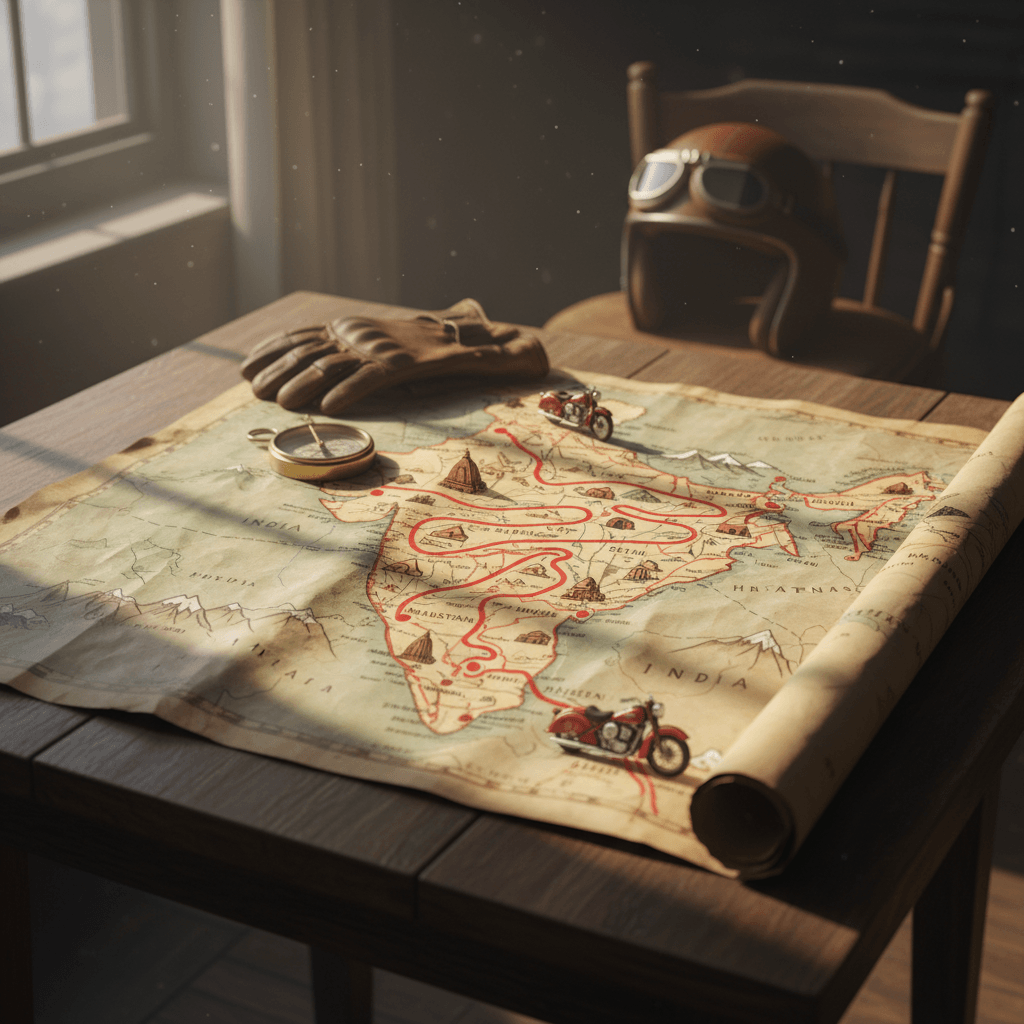
Embarking on a motorcycle adventure across India is an experience unlike any other- a symphony of vibrant landscapes, rich cultures, and the thrill of the open road. Yet, the vast diversity of terrains, climates, and unexpected challenges can quickly turn an dream trip into a daunting ordeal if you are not adequately prepared. Many riders find themselves overwhelmed by what to pack, fearing they will either forget something crucial or overpack and weigh themselves down. This comprehensive guide from Twheelo is designed to alleviate that stress, providing you with a meticulously curated packing list to ensure your journey through India’s breathtaking vistas is as smooth, safe, and enjoyable as possible. Get ready to embrace the adventure with confidence and an optimized load.
What Is a Motorcycle Trip Packing List for India?
A motorcycle trip packing list for India is far more than just a collection of items- it is a carefully considered strategy for readiness. Given India’s incredible geographical and climatic variations- from the freezing heights of the Himalayas to the humid coastal plains and scorching desert expanses- a generic packing list simply will not suffice. This specialized list accounts for these unique challenges, focusing on versatility, durability, and essentialism. Its core purpose is to equip riders for every eventuality, ensuring comfort in varying temperatures, safety on diverse road conditions, and compliance with local regulations. It encompasses everything from personal protective gear and clothing for extreme weather to vital bike maintenance tools, crucial documents, and personal essentials. Ultimately, this list serves as your blueprint for a successful and stress-free two-wheeled expedition across the subcontinent.
How Effective Packing for India Actually Works
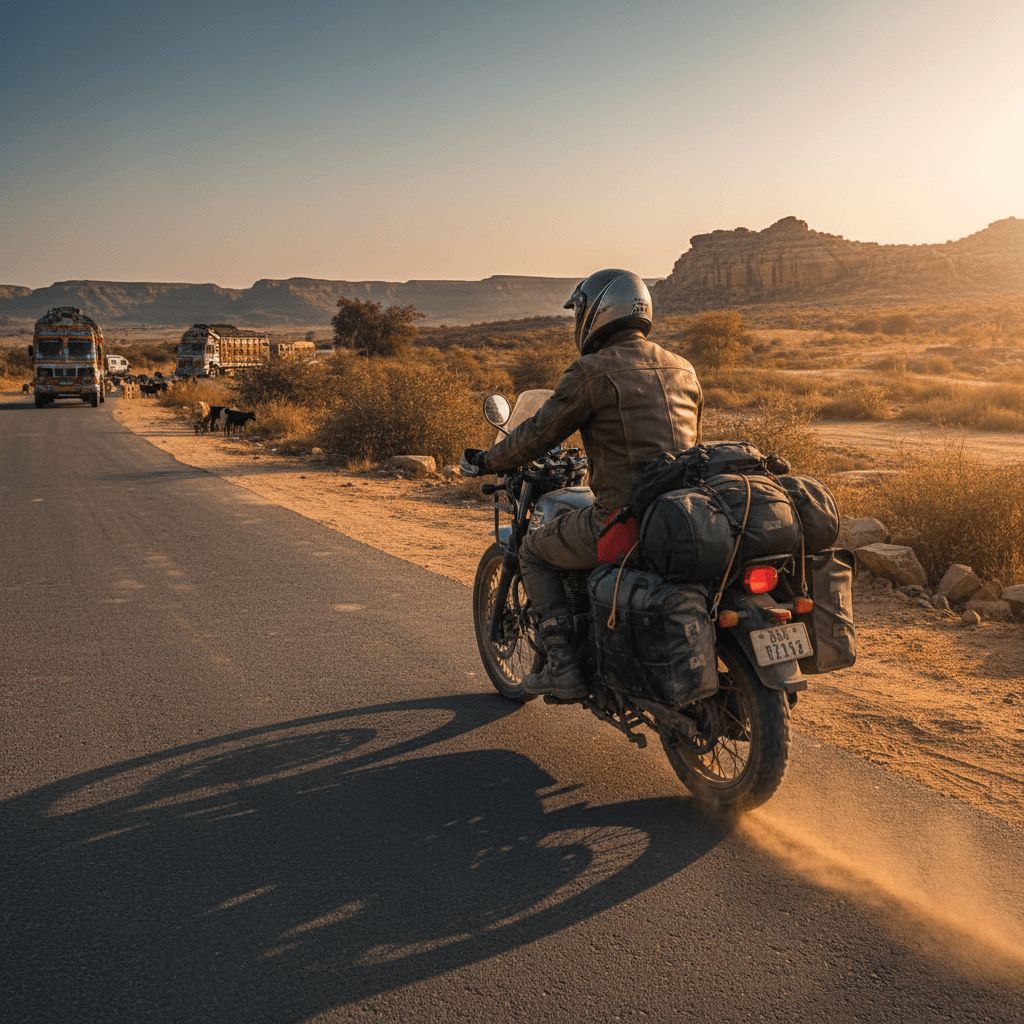
Effective packing for a motorcycle trip through India hinges on a few core principles, designed to balance preparedness with practicality. Understanding these pillars will help you make informed decisions about every item you choose to bring along.
- Layering for Diverse Climates: India’s climate can change dramatically within a single day or across short distances. The key is to pack adaptable layers- thermal base layers for cold, breathable fabrics for heat, and waterproof-windproof outer shells for protection against rain and wind.
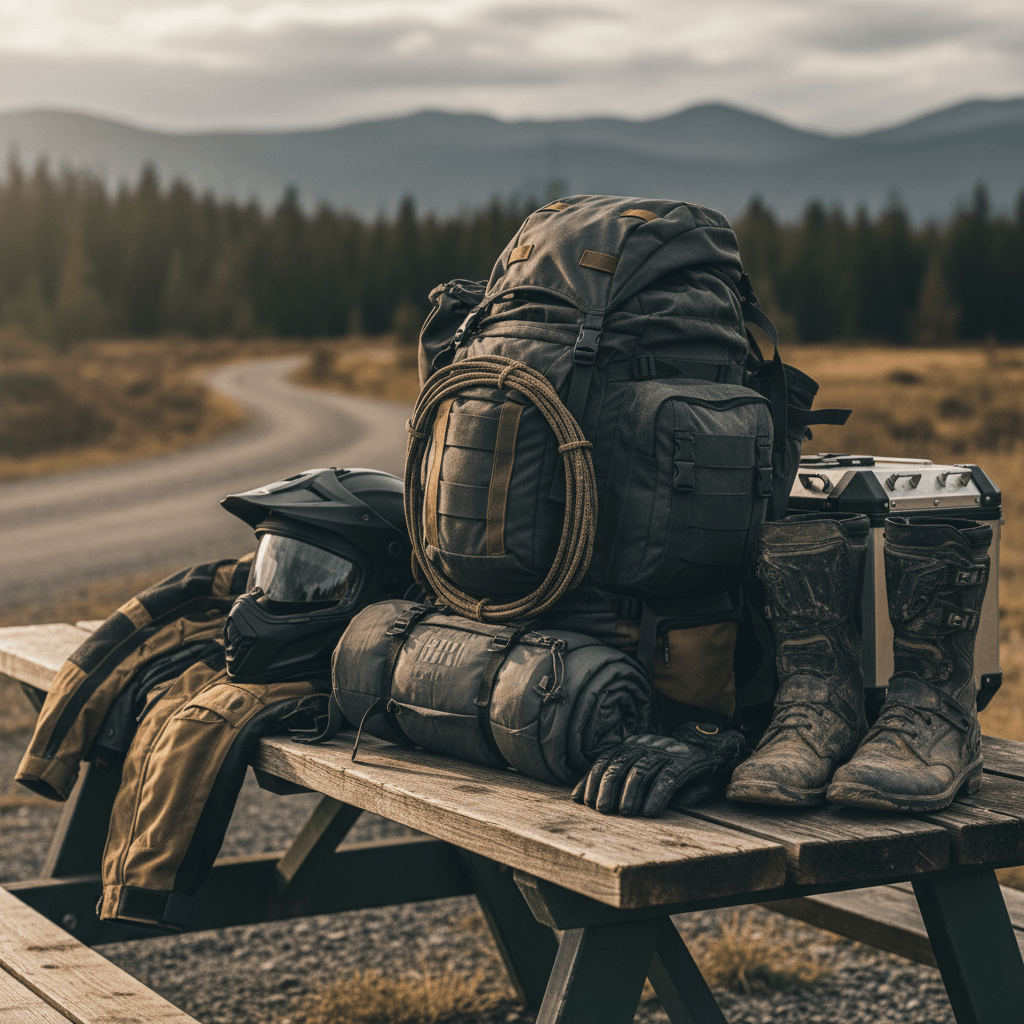
- Prioritizing Safety Gear: Non-negotiable elements like a full-face helmet, riding jacket with armor, riding pants, riding gloves, and sturdy boots are paramount. These protect against impact, abrasion, and offer comfort during long hours in the saddle.
- Essential Tools and Spares: Indian roads, particularly in remote areas, can be challenging. A basic toolkit, tire repair kit, puncture repair kit, spare clutch/accelerator cables, and a few essential spares can be lifesavers when assistance is far away.
- Personal Hygiene and First Aid: Access to specific items might be limited. Pack a compact first-aid kit with medications for common ailments, along with essential toiletries and sanitizers. Wet wipes are invaluable.
- Documentation and Navigation: All personal and bike documents must be original or certified copies, easily accessible and protected from water. Reliable navigation- a combination of offline maps, physical maps, and GPS devices– is crucial.
- Minimizing Bulk and Weight: Every extra kilogram affects bike handling and fuel efficiency. Pack only what is essential, opt for multi-purpose items, and use compression sacks to keep your load compact and secure. Distribute weight evenly across the bike to maintain balance.
How To Pack for Your Motorcycle Trip Step By Step
Preparing for an Indian motorcycle adventure requires a systematic approach to packing. Follow these steps to ensure you cover all bases without overpacking.
- Step 1: Research Your Route and Climate Thoroughly
Understand the specific regions you will traverse. Are you heading to the arid deserts of Rajasthan, the monsoon-prone Western Ghats, or the high-altitude passes of Ladakh? This research dictates your clothing layers and specific gear needs. Check historical weather patterns for your travel months. - Step 2: Start with Essential Riding Gear
Lay out your primary safety gear first. This includes your helmet, armored jacket and pants, riding gloves, and sturdy boots. Ensure everything is comfortable, broken-in, and in good repair. Consider reflective elements for visibility. - Step 3: Organize Clothing by Weather and Duration
Categorize your non-riding clothes into warm, cool, and waterproof sections. Pack versatile items that can be layered. For a two-week trip, aim for 3-4 riding base layers, 2-3 casual outfits, and specific sleepwear if desired. Quick-drying fabrics are a huge advantage. - Step 4: Assemble Your Toolkit and Spares
Create a compact tool roll. Include wrenches, screwdrivers, pliers, zip ties, electrical tape, a tire pressure gauge, and a puncture repair kit. Carry spare clutch and accelerator cables, a spare spark plug, and fuses relevant to your bike model. - Step 5: Pack Toiletries and Medical Kit
Consolidate personal hygiene items into travel-sized containers. Your first-aid kit should contain bandages, antiseptic wipes, pain relievers, anti-diarrhea medication, rehydration salts, insect repellent, and any personal prescription drugs. Consider sunscreen and lip balm with SPF. - Step 6: Secure All Documents and Navigation Tools
Place your driver’s license, vehicle registration (RC book), insurance papers, pollution control certificate (PUC), passport (if applicable), and multiple photocopies in a waterproof pouch. Load offline maps on your smartphone or GPS device and carry physical maps as backup. - Step 7: Distribute Weight Evenly on the Bike
Heavy items should go low and centered, ideally in tank bags or saddlebags, to maintain the bike’s balance. Lighter, bulkier items can go in a dry bag secured to the pillion seat. Avoid excessive weight on the handlebars. - Step 8: Do a Trial Run or Test Pack
Before your departure, pack everything onto your bike and ride for a short distance. This helps identify any balance issues, loose straps, or discomfort with your loaded setup. It also familiarizes you with accessing items.
Common Mistakes and Myths
Navigating a motorcycle trip in India can be full of surprises, but many pitfalls can be avoided with proper foresight. Being aware of common mistakes and dispelling certain myths will significantly enhance your journey.
- Overpacking – The “I Might Need It” Syndrome: This is perhaps the most common mistake. Every unnecessary item adds weight and bulk, making the bike harder to handle and increasing fuel consumption. Focus on multi-purpose, lightweight, and essential items.
- Underestimating Indian Road Conditions and Weather: Do not assume smooth highways or predictable weather. Roads can deteriorate rapidly, and weather can shift from scorching heat to torrential rain in minutes. Always prepare for the worst conditions along your route.
- Forgetting Critical Documents: Riding without proper documentation (license, registration, insurance, PUC) can lead to significant delays and legal trouble. Always carry originals or attested copies and keep them safe and waterproof.
- Neglecting Pre-Trip Bike Maintenance Checks: A breakdown in a remote area is a major headache. Ensure your bike is thoroughly serviced before departure, paying attention to tires, brakes, fluids, chain, and lights.
- Ignoring Local Customs Regarding Attire: While not strictly a packing mistake, it relates to what you wear. In many parts of India, particularly rural or religious sites, modest clothing is appreciated. Pack at least one set of clothes that respects local sensibilities.
- Relying Solely on Digital Maps in Remote Areas: Network coverage can be sporadic or non-existent in mountainous or very rural regions. Always carry physical maps or have offline map downloads as a crucial backup.
Real Life Scenarios
India’s geographical tapestry means one packing list might not fit all. Here are tailored approaches for different regions:
Riding Through the Himalayas (Leh-Ladakh, Spiti Valley)
A Himalayan adventure demands serious preparation for extreme cold, high altitude, and rough terrain.
- Gear Focus: Heavy-duty thermal layers (base, mid, outer), waterproof and windproof riding jacket and pants, heated grips or glove liners, balaclava, oxygen cylinder (small, personal size for emergencies).
- Clothing: Woolen socks, warm synthetic fleeces, down jacket, sturdy hiking boots (for off-bike excursions).
- Bike Essentials: Extra fuel canister, tire chains (seasonal), robust toolkit, high-altitude carburetor jet (if applicable to older bikes), snow goggles.
- Personal: High-SPF sunscreen, lip balm, altitude sickness medication, hydration bladder to encourage water intake.
Coastal Ride (Goa, Kerala, Tamil Nadu Coast)
Coastal rides are about managing humidity, potential rain, and casual comfort.
- Gear Focus: Ventilated mesh riding jacket, waterproof over-suit or rain liner, quick-drying riding pants, light riding gloves, sun-blocking visor.
- Clothing: Lightweight, breathable, quick-drying fabrics (e.g., synthetics, linen), swimwear, sandals, wide-brimmed hat.
- Bike Essentials: Chain lube (salt air), waterproof phone holder, bungee cords for securing wet gear.
- Personal: Strong insect repellent, anti-fungal powder, light towel, sunglasses, portable fan.
Desert Crossing (Rajasthan, Rann of Kutch)
Riding through India’s deserts means battling intense heat, dust, and long stretches with minimal facilities.
- Gear Focus: Heavily ventilated riding jacket and pants, cooling vests, anti-fog visor inserts, dust-proof helmet vents.
- Clothing: Loose, light-colored cotton clothing, headwrap (shemagh) for sun and dust protection.
- Bike Essentials: Extra water bottles, substantial fuel reserve, robust dust filters, tire inflator/repair kit, spare inner tubes.
- Personal: Electrolyte tablets, rehydration salts, ample sunscreen, moisturizing cream, wide-brimmed hat, sunglasses.
Urban Exploration (City-to-City, Major Metros)
Navigating India’s bustling cities brings its own set of challenges, from heavy traffic to security concerns.
- Gear Focus: Well-ventilated city riding jacket with integrated armor, comfortable riding jeans or casual riding pants, short cuff gloves, easily removable helmet.
- Clothing: Presentable casual clothes for dining and sightseeing, comfortable walking shoes.
- Bike Essentials: Disc lock or chain lock, alarm (optional), mobile phone holder, compact first-aid kit.
- Personal: Small crossbody bag for valuables, universal charger, power bank, earplugs for city noise, travel guide.
Twheelo’s Approach to Adventure Preparedness
At Twheelo, we believe that every adventure, especially one as magnificent as a motorcycle trip through India, should be undertaken with the highest degree of confidence and preparation. Our philosophy centers on empowering riders with the knowledge and resources to tackle any road, climate, or unforeseen circumstance. We understand that the joy of travel lies in experiencing new horizons, not in fretting over logistics or equipment failures. Our commitment is to provide insights that go beyond just lists- we aim to cultivate a mindset of proactive planning and smart execution. By focusing on practical, tested advice and highlighting the importance of durable, versatile gear, we help you streamline your packing process. We encourage you to think critically about your route and personal needs, ensuring that your motorcycle is not just a mode of transport but a reliable companion on your journey. Browse our collection of travel resources and gear to find what you need for your next adventure.
Still Not Sure?
It is natural to have lingering questions when planning such an extensive trip. Here are answers to some common concerns:
- Q: “What if my bike breaks down in a remote area?”
A: A comprehensive toolkit and essential spares (cables, spark plug, fuses) are your first line of defense. Knowing basic repairs is invaluable. Also, carry local mechanic contact numbers if available, and a power bank to keep your phone charged for emergencies. Many small towns in India have capable mechanics, even if they lack fancy workshops. - Q: “How do I deal with the extreme variations in weather?”
A: Layering is key. Pack thermal base layers, a moisture-wicking mid-layer, and a waterproof-windproof outer shell. This allows you to add or remove layers as temperatures fluctuate. Always have a dedicated rain suit or waterproof liners handy. - Q: “Is it safe to travel alone on Indian roads?”
A: Solo travel is common and generally safe, but requires extra vigilance. Share your itinerary with a trusted contact, carry a local SIM card, and avoid riding at night in unfamiliar or remote areas. Trust your instincts, and do not hesitate to ask locals for advice. - Q: “What about medical emergencies or health concerns?”
A: A well-stocked first-aid kit is non-negotiable. Ensure you have travel insurance that covers medical emergencies and potential evacuations. Research hospitals along your route. Carry any personal prescription medications in sufficient quantity, along with their doctor’s notes.
Making It Work Long Term
A successful motorcycle trip is not just about the journey itself, but also about the before and after. Here are tips for long-term preparedness and enjoyment.
- Maintain Your Gear: After each trip, clean and properly store your riding gear. Wash textiles, condition leather, clean helmets, and dry all items thoroughly to prevent mildew and extend their lifespan. Regular maintenance ensures your gear is always ready for the next adventure.
- Review Your Packing List: Keep a journal or a digital note of what you packed, what you used frequently, what you did not need, and what you wished you had. This feedback loop is crucial for refining your list for future trips, making it more efficient and tailored to your evolving needs.
- Pre-Trip Bike Maintenance: Beyond just the trip prep, establish a routine for your motorcycle’s regular maintenance. A well-maintained bike is a reliable bike. Familiarize yourself with its service schedule and address any minor issues promptly.
- Learn Basic Mechanics: Knowing how to fix a flat tire, adjust your chain, or replace a fuse can save you hours of waiting and potentially costly repairs. Consider taking a basic motorcycle maintenance course.
- Stay Updated on Road Conditions and Local Regulations: Road conditions in India can change rapidly due to weather or construction. Check online forums, local news, or consult with other riders for the latest information. Be aware of any new traffic laws or regional permits required.
- Consider Travel Insurance: A good travel insurance policy is a worthwhile investment. It can cover everything from medical emergencies and bike breakdown assistance to luggage loss and trip cancellation, providing peace of mind.
Summary & Call to Action
A motorcycle trip across India is an adventure of a lifetime, a journey that promises unforgettable memories. By meticulously preparing your packing list, prioritizing safety, and understanding the diverse conditions you will encounter, you transform potential challenges into mere footnotes in your grand story. Preparedness is the cornerstone of an exhilarating and safe ride, ensuring you are ready for every twist and turn the Indian roads throw your way. Embark on your next adventure confidently, knowing you have optimized every aspect of your preparation. For more insightful guides, expert advice, and resources to enhance your travel experiences, explore Twheelo. Find out more about our commitment to responsible travel on our About Us page.
Sources
- India – Wikipedia
- E-commerce – Wikipedia
- Climate of India – Wikipedia
- Online Shopping – Wikipedia
- Himalayas – Wikipedia
Frequently Asked Questions
Q: What are the absolute essentials for an India motorcycle trip?
A: A good quality helmet, armored riding jacket and pants, riding gloves, sturdy boots, a comprehensive first-aid kit, all original documents, a basic toolkit, and a reliable navigation system (with offline maps) are non-negotiable essentials.
Q: How much luggage can I realistically carry on my motorcycle?
A: This depends on your bike’s capacity and your comfort. Aim for minimalist packing. Typically, saddlebags, a tank bag, and a dry bag secured to the pillion seat are sufficient. Distribute weight evenly and avoid overpacking to maintain handling and fuel efficiency.
Q: Is it necessary to carry spare parts, and which ones?
A: Yes, it is highly recommended, especially for remote routes. Crucial spares include spare clutch and accelerator cables, a spare spark plug, fuses, a puncture repair kit, and basic tools like wrenches and screwdrivers relevant to your bike model. These can be lifesavers.
Q: What documents are crucial to carry while riding in India?
A: You must carry your valid driver’s license (international driving permit if applicable), vehicle registration certificate (RC book), valid insurance papers, and a Pollution Under Control (PUC) certificate. Keep originals or attested copies in a waterproof pouch and digital copies on your phone.
Q: How should I prepare for sudden changes in weather, like heavy rain or extreme cold?
A: The best strategy is layering. Pack thermal base layers, a waterproof and windproof outer shell, and a rain suit that can be quickly put on. For cold, include warm mid-layers like fleece and a balaclava. Always assume weather can change quickly and be ready to adapt.