Stop Helmet Fogging: Essential Tips for Monsoon Rides in India

Imagine this scenario: you are navigating the bustling streets of Mumbai or the winding roads of Kerala during the monsoon. The rain is coming down in sheets, the air is thick with humidity, and suddenly, your helmet visor fogs up completely. Your clear view of the road ahead vanishes, replaced by an opaque white haze. Panic sets in as you desperately try to peer through the mist, slowing down, losing confidence, and feeling vulnerable amidst the traffic. This isn’t just an inconvenience; it’s a genuine safety hazard that thousands of riders face every rainy season in India. But what if you could banish that frustrating fog for good, ensuring crystal-clear visibility no matter how heavy the downpour?
The monsoon season in India, while a welcome relief from the scorching heat, brings with it a unique set of challenges for motorcyclists. One of the most persistent and dangerous is helmet fogging. The dramatic shift in temperature between the inside of your helmet and the outside humid air, combined with your own breath, creates condensation that clings stubbornly to your visor. This severely compromises your field of vision, turning what should be an enjoyable or routine ride into a stressful and high-risk endeavor. From daily commuters trying to get to work safely to adventure riders exploring scenic routes, everyone grapples with this pervasive problem, often resorting to unsafe practices like riding with an open visor or constantly wiping it with a glove, only for the fog to return instantly.
The Problem: Riding Blind in the Rain
The daily reality of helmet fogging during the Indian monsoon is more than just a minor annoyance; it is a significant contributor to rider fatigue, stress, and, most critically, accidents. Picture yourself trying to spot potholes, navigate sharp turns, or react to sudden braking traffic when your vision is severely impaired. The reduced visibility forces riders to constantly adjust their posture, try to peer over the visor, or even lift it mid-ride, exposing their eyes to rain, wind, and road debris.
This perpetual struggle drains your concentration, diverting your focus from crucial road awareness to managing your foggy visor. Furthermore, the psychological impact can be considerable. The constant anxiety about visibility can make even short rides feel exhausting and discourage riders from venturing out in the rain at all, impacting their daily routines and potentially limiting their mobility. For many, riding in the monsoon is unavoidable, making effective anti-fog solutions not just a luxury, but a necessity for personal safety and peace of mind.
Why This Keeps Happening: Understanding the Science of Fog
Helmet fogging isn’t a random occurrence; it’s a predictable result of specific environmental and physiological factors that are amplified during the Indian monsoon. Understanding these causes is the first step towards effectively combating them.
- Temperature Differential: This is the primary culprit. Your body heat and breath warm the air inside your helmet. When this warm, moist air comes into contact with the cooler surface of your visor (cooled by the outside rain and wind), condensation forms, creating fog. The greater the temperature difference, the faster and denser the fog.
- High Humidity: India’s monsoon season is characterized by extremely high humidity levels. The air itself is saturated with water vapor. When this humid air enters your helmet, it easily condenses on the cooler visor, even with less exhalation. For more on humidity, see Wikipedia’s article on Humidity.
- Your Breath and Perspiration: Every time you exhale, you release warm, moist air into the confined space of your helmet. Similarly, physical exertion or simply being hot can cause you to perspire, adding more moisture to the air inside. This internal moisture has nowhere to go but to condense on the coolest surface, which is typically your visor.
- Inadequate Ventilation: Many helmets, especially those without specific anti-fog features or older models, may lack sufficient ventilation to allow moist air to escape. Poorly designed vents or vents that are blocked can trap humid air inside, accelerating fog formation.
- Visor Material and Coatings: While most modern visors have some basic anti-scratch or UV coatings, not all come with inherent anti-fog properties. Without a specialized anti-fog layer, the smooth plastic surface provides an ideal ground for water droplets to cling and obscure vision.
The Short Answer: Layered Approach to Clear Vision
The simplest and most effective way to prevent helmet fogging during the Indian monsoon involves a layered approach that addresses both internal moisture and temperature differentials. It means equipping your helmet with specialized anti-fog technology, optimizing airflow, and employing smart riding habits. Investing in a Pinlock insert, utilizing anti-fog sprays or gels, ensuring proper helmet ventilation, and even wearing a breath guard or balaclava are key strategies to maintain crystal-clear visibility.
What The Solution Looks Like In Real Life: Riding With Confidence
Imagine your next monsoon ride. Instead of squinting through a patchy, fog-laden visor, you experience uninterrupted, panoramic clarity. The road ahead, the surrounding traffic, and every turn are perfectly visible. You feel in complete control, your focus entirely on safe riding, not on desperately wiping your visor. This peace of mind fundamentally transforms your riding experience. You are no longer dreading the rain; instead, you approach it with the confidence that your gear will keep you safe and your vision unimpaired.
In real life, this means pulling on your helmet and knowing that despite the downpour, your visor will remain clear from the moment you start your engine until you reach your destination. It means being able to fully appreciate the monsoon scenery, respond swiftly to changing road conditions, and arrive at your destination refreshed rather than stressed. The solutions we will discuss don’t just eliminate fog; they enhance your overall safety, comfort, and enjoyment of riding, making monsoon journeys not just bearable, but truly manageable and even pleasant.
Step By Step: Banishing Helmet Fog for Good
- Choose a Helmet with Pinlock Compatibility:
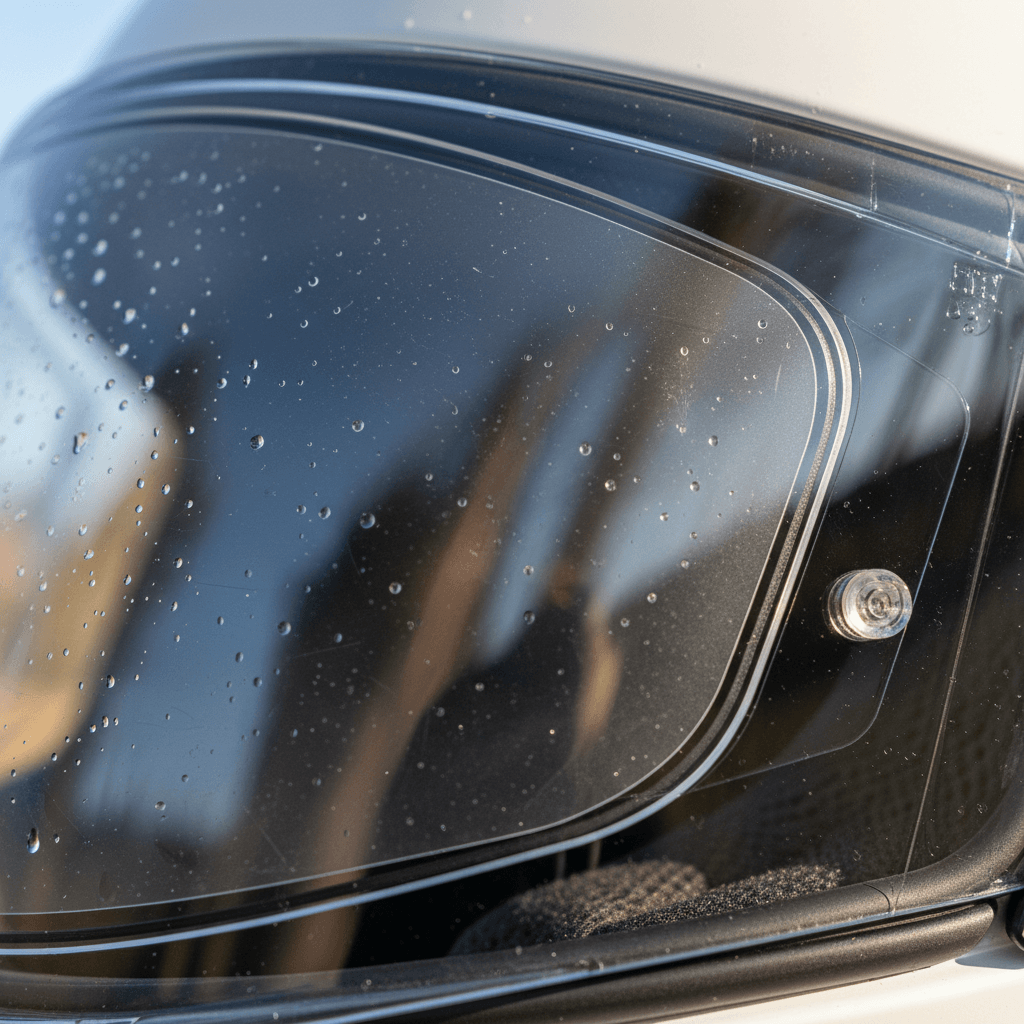
When purchasing a new helmet, prioritize models that are Pinlock-ready. Pinlock is a popular anti-fog system that involves an insert creating an airtight chamber between itself and your main visor, preventing condensation. It is widely considered the gold standard for fog prevention. For general information on helmets, check out Wikipedia’s Helmet page. - Install a Pinlock Anti-Fog Insert:
If your helmet is Pinlock-ready but didn’t come with an insert, acquire and install one. These inserts are typically made of a moisture-absorbing plastic and are sealed against the main visor using silicone beads. Follow the manufacturer’s instructions carefully for a proper, airtight fit. - Utilize Anti-Fog Sprays or Gels:
For helmets not compatible with Pinlock, or as an additional layer of protection, high-quality anti-fog sprays or gels can be very effective. Apply a thin, even layer to the inside of your visor, let it dry for a minute, and then gently buff it with a clean, soft microfiber cloth until clear. Reapply as directed, usually every few rides. - Ensure Optimal Helmet Ventilation:
Proper airflow is crucial. Always make sure your helmet’s intake and exhaust vents are open, especially during humid conditions. This allows moist air from your breath and perspiration to escape and fresh, drier air to circulate, reducing the build-up of humidity inside. Some riders even crack their visor slightly (just enough to allow a gap) while riding at slow speeds, if it doesn’t compromise safety. - Wear a Breath Guard or Balaclava:
A breath guard (often included with helmets) is a small piece of plastic or foam that sits inside the helmet, directing your exhaled breath downwards and away from the visor. A full-face balaclava, particularly one made from moisture-wicking material, can also absorb moisture from your breath and skin, preventing it from reaching the visor directly. - Maintain Your Helmet and Visor:
Regularly clean your visor, both inside and out, with a mild soap solution and a soft cloth, or a specialized helmet cleaner. Dirt, dust, and grime can provide surfaces for moisture to cling to, exacerbating fogging. Ensure your Pinlock insert (if used) is also kept clean and properly sealed. - Adopt Smart Riding Techniques:
At lower speeds or when stationary, crack your visor open slightly to allow air exchange. When riding in heavy rain, try to maintain a consistent speed to encourage airflow through your helmet’s vents. Avoid rapid breathing or hyperventilating, which introduces more moisture.
How This Looks For Different People: Tailored Solutions
The ideal anti-fog strategy can vary depending on your riding habits, budget, and the specific challenges you face during the monsoon.
The Daily Commuter
For someone navigating city traffic every day, reliability and ease of use are paramount. A Pinlock insert is often the best investment, as it offers consistent, hassle-free fog prevention without daily reapplication. Coupled with ensuring all helmet vents are open, this setup provides a robust solution for stop-and-go traffic where fogging is most prevalent. Regularly cleaning the Pinlock and visor ensures its longevity and effectiveness through the entire monsoon season.
The Weekend Tourer
Longer rides in varying conditions demand a comprehensive approach. Tourers should certainly prioritize a Pinlock-equipped helmet. Additionally, carrying a small bottle of high-quality anti-fog spray can be a smart backup, especially if riding into areas with extreme humidity or if the Pinlock seal ever gets compromised. A moisture-wicking balaclava is also excellent for comfort and extra fog protection over extended periods, managing both sweat and breath.
The Budget-Conscious Rider
If purchasing a new Pinlock-compatible helmet or insert isn’t immediately feasible, effective solutions are still available. High-quality anti-fog sprays or gels offer a cost-effective alternative. While they require more frequent application, they can significantly improve visibility. Focusing on maximizing existing helmet ventilation, learning to crack the visor strategically at low speeds, and using a simple breath guard are practical, low-cost steps that can make a substantial difference in safety and comfort during monsoon rides. You can learn more about our brand and commitment to rider safety.
What Might Still Be Holding You Back: Addressing Common Objections
Even with clear solutions, some riders might hesitate due to common concerns or misconceptions.
- “Pinlock inserts are too expensive.” While Pinlock inserts are an investment, they are a one-time purchase that can last for years with proper care, offering superior and consistent fog prevention. When weighed against the cost of a potential accident or the sheer discomfort of riding blind, the value proposition becomes clear. Many helmets now come Pinlock-ready, reducing the overall cost.
- “Anti-fog sprays don’t work for long.” The effectiveness of sprays can vary. Cheaper, less effective sprays might give this impression. However, premium anti-fog sprays, when applied correctly and buffed gently, can provide several hours of clear vision, which is ample for most commutes or day rides. Reapplication is part of their usage, similar to sunscreen.
- “My helmet doesn’t have good ventilation.” While some helmets inherently have better airflow, you can still optimize what you have. Ensure all existing vents are clean and unobstructed. In extreme conditions, slightly cracking your visor open a tiny bit (enough for airflow but not for rain ingress) can make a significant difference at slower speeds.
- “I’m overwhelmed by too many options.” Start simple. The single most impactful step is getting a Pinlock insert if your helmet is compatible. If not, a good quality anti-fog spray is the next best thing. Once you tackle the primary solution, you can then consider secondary measures like breath guards or balaclavas. Don’t feel you need to implement everything at once.
Common Mistakes To Avoid
Preventing helmet fogging is not just about applying solutions, but also about avoiding practices that can worsen the problem or damage your gear.
- Wiping with Hands or Gloves: This is perhaps the most common mistake. Wiping a fogged visor with your bare hand or a glove only smears the moisture, making visibility worse and potentially scratching the visor or its coatings.
- Using Household Cleaners: Avoid using window cleaners, dish soap, or other harsh household chemicals on your visor or Pinlock. These can strip specialized coatings, damage the plastic, and even compromise the anti-fog properties. Stick to mild soap and water or dedicated helmet/visor cleaners.
- Ignoring Helmet Ventilation: Riding with all your helmet’s vents closed, especially in humid conditions, traps moisture inside and guarantees fogging. Always ensure your vents are open to promote airflow.
- Over-tightening Your Pinlock: While a tight seal is crucial, overtightening the Pinlock pins can warp the visor or the insert, compromising the seal and reducing its effectiveness. Adjust them just enough for a snug, even fit.
- Riding with a Dirty Visor: Dirt, dust, and grime on your visor provide more nucleation points for water vapor to condense, making fogging worse and harder to clear. Regular cleaning is essential.
- Using DIY “Anti-fog” Remedies: While some home remedies like rubbing potato slices or shaving cream might seem appealing, they often leave residues, attract dust, and are generally ineffective or even harmful to your visor’s delicate surfaces. Stick to purpose-built solutions.
Your Implementation Checklist
Here’s a quick checklist to help you get your helmet monsoon-ready:
- [ ] Check if your helmet is Pinlock-ready.
- [ ] Purchase and install a genuine Pinlock insert if applicable.
- [ ] Acquire a high-quality anti-fog spray or gel.
- [ ] Ensure all helmet vents are clean and fully operational.
- [ ] Consider adding a breath guard to your helmet.
- [ ] Invest in a moisture-wicking balaclava for added comfort and moisture control.
- [ ] Establish a routine for cleaning your visor and Pinlock.
- [ ] Practice cracking your visor slightly at low speeds for quick air exchange.
- [ ] Review your riding gear for overall monsoon preparedness.
Your 7 Day Plan: From Foggy to Clear Vision
Here’s a simple 7-day plan to systematically tackle helmet fogging:
- Day 1: Helmet Assessment & Research
Inspect your current helmet. Does it have Pinlock pins? Are the vents clean and functional? Spend some time researching Pinlock inserts compatible with your helmet model or looking for reputable anti-fog sprays. - Day 2: Purchase Your Primary Solution
Based on your assessment, order a Pinlock insert or a high-quality anti-fog spray/gel. If you need new gear, consider browsing our collection for options. - Day 3: Clean & Prepare Your Visor
Thoroughly clean your helmet visor, both inside and out, using a mild soap solution and a microfiber cloth. Ensure it’s completely dry before proceeding. - Day 4: Install Pinlock or Apply Spray
If you chose a Pinlock, install it carefully following the instructions. If using a spray, apply a thin, even layer to the inside of your visor, let it dry for a minute, then gently buff it clear. - Day 5: Optimize Ventilation & Breath Control
Ensure all your helmet’s vents are open. Practice breathing techniques that minimize moisture directly hitting the visor. Consider using a breath guard if you have one. - Day 6: Test Ride (or simulated test)
Take a short ride, ideally in humid conditions or light rain, to test your new setup. Pay attention to any remaining fogging and identify areas for improvement. - Day 7: Refine & Reapply (if needed)
Based on your test ride, adjust your Pinlock, reapply spray, or make further adjustments to your ventilation. Now you’re ready for clear monsoon rides! If you have any questions, feel free to contact us.
Summary & Clear Roads Ahead
Riding during the Indian monsoon doesn’t have to be a battle against a perpetually fogged visor. By understanding the causes of fogging and implementing a few strategic solutions, you can dramatically improve your visibility, safety, and overall riding experience. Whether it’s the gold standard of Pinlock inserts, the convenience of anti-fog sprays, or simply optimizing your helmet’s ventilation, clear vision is an achievable reality. Don’t let helmet fog dictate your monsoon rides; take control and enjoy the journey with confidence.
Equip yourself with the right knowledge and tools, and transform your monsoon rides from frustrating struggles into clear, comfortable, and safe adventures. Stay vigilant, stay clear, and ride safe!
Sources
- Helmet – Wikipedia
- Monsoon – Wikipedia
- Fog – Wikipedia
- Humidity – Wikipedia
- Road traffic injuries – World Health Organization
Frequently Asked Questions (FAQ)
Q1: Is Pinlock the best solution for helmet fogging in India?
A1: Yes, Pinlock inserts are widely considered the most effective and reliable solution for preventing helmet fogging, especially in humid conditions like the Indian monsoon. They create an insulating air pocket that prevents condensation from forming on your visor.
Q2: How often do I need to reapply anti-fog spray?
A2: The frequency of reapplication depends on the quality of the spray, riding conditions, and how much you breathe or perspire. Generally, good quality anti-fog sprays can last for several hours to a few days of riding before needing reapplication. Always follow the product’s specific instructions.
Q3: Can I use dish soap or toothpaste as a DIY anti-fog solution?
A3: It is strongly advised against using household items like dish soap or toothpaste. While they might temporarily reduce fog, they can leave residues, attract dust, and potentially damage your visor’s specialized coatings, leading to permanent damage or reduced visibility in the long run. Always use products specifically designed for helmet visors.
Q4: What if my helmet doesn’t have Pinlock pins?
A4: If your helmet is not Pinlock-ready, you can still effectively combat fogging. Your best options are to use a high-quality anti-fog spray or gel consistently, ensure your helmet’s ventilation is fully open, and consider using a breath guard or a moisture-wicking balaclava.
Q5: Does keeping my visor slightly open help with fogging?
A5: Yes, cracking your visor open a small amount can significantly help, especially at lower speeds or when stationary. This allows for increased airflow, which helps to equalize the temperature and humidity inside and outside the helmet, thus reducing condensation. However, be mindful of rain ingress at higher speeds or in heavy downpours.